Amanda Rogowski
“I know I’ll be prepared for the job market. IMBC is making sure I have the skills and certificates I’ll need.”
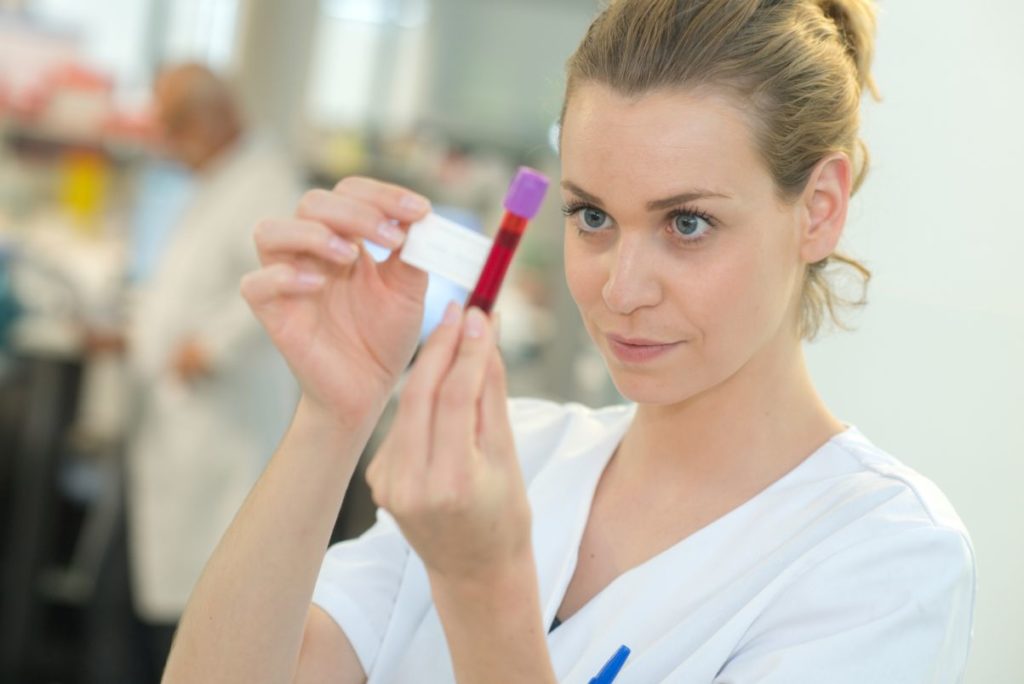
Careers in healthcare are some of the most rewarding jobs available out there. Most people know what doctors and nurses do, but there are many job roles in the healthcare industry which are less well-known.
Medical Assisting with Phlebotomy is one of these careers. It is a career path that offers a varied role from day-to-day and involves delivering direct patient care while also supporting other medical professionals.
It is a great career to choose right now, as the job outlook for medical assistants is very strong. It is predicted that there will be a 23% growth over the next decade for this role in the healthcare industry.
Read on to find out more about what a medical assistant with phlebotomy does and how you could train to become one.
The role of a Medical Assistant (or MA for short), combines administrative and clinical tasks. Medical Assistants work as part of busy teams of doctors, nurses, and other healthcare professionals. Their purpose is to provide effective and efficient care for patients.
The clerical duties that a Medical Assistant could be required to carry out include:
The clinical responsibilities of a Medical Assistant will vary, depending on the setting where they are working. Some of these tasks could include:
The jobs of Medical Assistant and Phlebotomist are technically two different careers. But it can make good sense to complete the relevant training for both skill sets. Having both certifications may make applicants more desirable to employers and open up more career opportunities.
A Medical Assistant with Phlebotomy is a versatile healthcare professional. They undertake a variety of tasks in different settings. It is beneficial for healthcare practices to have someone who can fulfill both roles and perform more tasks.
Phlebotomy is a more specialized skill set than the Medical Assistant role. The main duty of a Phlebotomist is drawing and collecting blood samples for patients. These samples are checked for different diseases, illnesses, or nutritional and metabolic issues.
Blood samples are a good way to find out what’s going on in the human body. But it is critical to be vigilant. Incorrect collection and storage can make the results of tests inaccurate or place patients at risk.
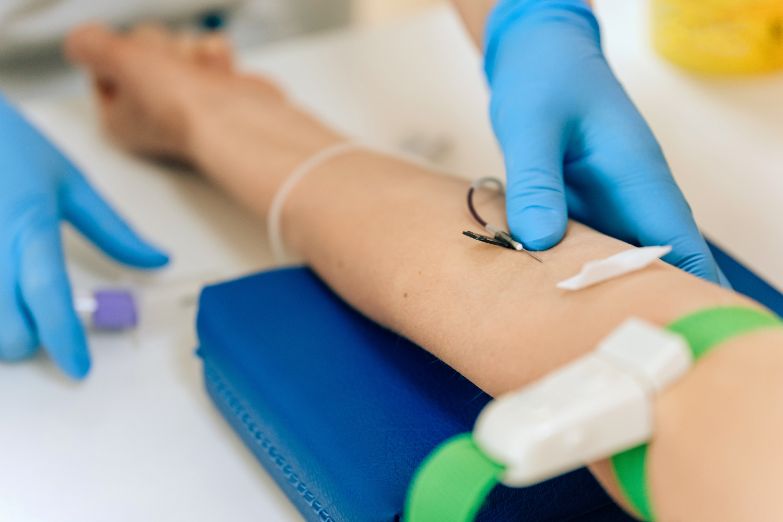
Phlebotomy tasks include venipuncture (taking blood from a vein or capillary), finger prick, or heel prick tests to draw blood. It is important to ensure that the method of collection is appropriate for the type of test that has been requested.
Other tasks phlebotomists perform include:
“I know I’ll be prepared for the job market. IMBC is making sure I have the skills and certificates I’ll need.” – Amanda Rogowski
If you choose a Medical Assisting with Phlebotomy Diploma, you can combine two great career paths and become a versatile healthcare professional. You would be working with a busy team every day to help patients recover from illness. This is a rewarding career to choose and gives a sense of purpose and accomplishment.
Are you ready to take the next step and find out how to apply? Don’t hesitate to contact the Institute of Medical and Business Careers today. You should learn more to get started on the path to your new career.
What does a medical assistant with phlebotomy training do?
This combined role allows a medical assistant to perform regular patient-care and office duties while also drawing blood, labeling specimens, preparing samples, and maintaining phlebotomy equipment.
Why combine medical assisting and phlebotomy skills?
Training in both areas creates a more versatile healthcare professional who can perform a broader range of clinical and administrative tasks in hospitals, clinics, and other healthcare settings.
More on Medical Assisting with Phlebotomy