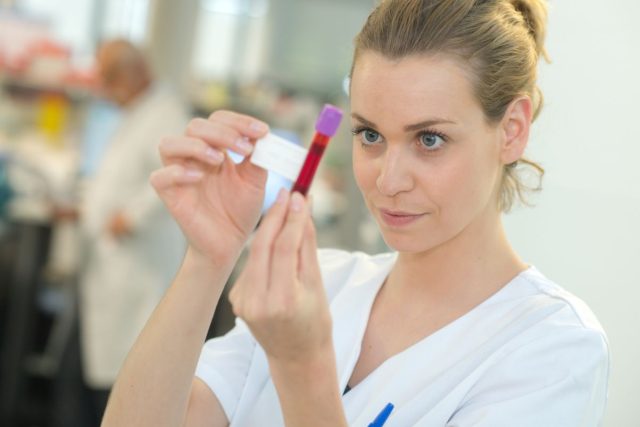
The work of phlebotomy professionals provides both doctors and patients with key information that helps to prevent and treat illnesses. Keep reading to learn more about how phlebotomists contribute to the functioning of the modern healthcare system and how you can get the education needed to work in this vital role.
Modern healthcare depends to a huge extent on blood tests. In many cases, a blood test is essential for accurately diagnosing the cause behind a patient’s symptoms. Phlebotomists collect blood specimens and route them to the laboratory, ensuring that patients and their doctors receive timely answers to their diagnostic questions.
Once a diagnosis is made and treatment begins, blood tests are just as critical for monitoring patient progress, determining if medications are working as intended, and identifying medication side effects. For example, patients undergoing cancer treatment might get regular blood counts to make sure chemotherapy isn’t removing too many healthy cells along with the cancer cells.
Before drawing blood, a phlebotomist explains the procedure and tries to help put the patient at ease. They also clean the patient’s skin, which helps prevent the spread of infection. Taking these steps improves accuracy and also makes it more likely that the patient will have a positive experience. This helps healthcare organizations meet their infection-control targets and boost their patient satisfaction scores.
Many phlebotomists work in hospitals, outpatient clinics and other medical facilities, such as blood donation centers. Police and sheriff’s departments sometimes hire phlebotomists so they can legally collect samples from individuals believed to be under the influence of alcohol or drugs.
Phlebotomists may also be employed by:
To become a phlebotomist, you must typically complete a certificate or diploma recognized by your state. However, many people combine their phlebotomy training with preparation for medical assisting jobs, which may include these duties:
Completing a medical assisting program gives you additional skills, so it prepares you for a wider variety of jobs. You’ll also have the opportunity to complete a clinical practicum and prepare for national certification testing.
If you’re interested in this rewarding career, enroll in the medical assisting with phlebotomy program at the Institute of Medical and Business Careers (IMBC).
Why is phlebotomy important in modern healthcare?
Phlebotomists collect blood samples that help doctors diagnose illnesses, monitor treatments, and evaluate patient health, making them an essential part of the healthcare team.
Where can phlebotomists work?
Phlebotomists work in hospitals, clinics, blood donation centers, insurance companies, forensic labs, pharmaceutical companies, and other healthcare settings.
How do you become a phlebotomist?
Most phlebotomists complete a state-recognized training program, often combined with medical assisting education, which includes hands-on clinical experience and preparation for certification.