Katie East
“I chose the Institute of Medical and Business Careers because I could achieve my associate degree. What sets IMBC apart from other schools is…
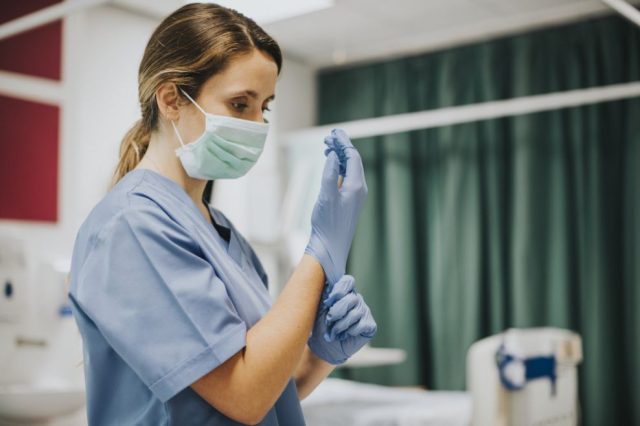
Medical assistants play an essential role as part of the dynamic healthcare system since they provide direct patient care as well as varied administrative duties. They have many different responsibilities which allow the effective operation of doctor’s offices, hospitals, and other medical facilities, making them an indispensable part of the healthcare industry. For many medical assistants, one of these diverse duties is drawing blood. Let’s look at what it means to be a medical assistant and how phlebotomy tasks fit into the nature of the position.
The ability to multitask is a prerequisite for medical assisting jobs. Working as a medical assistant has both administrative and clinical dimensions. A typical day for a medical assistant includes administrative tasks like billing, patient record keeping, and appointment making, as well as taking patient vitals and preparing them for procedures on the clinical side. More involved tasks might include assisting doctors in minor surgical procedures, collecting and preparing specimens, and ensuring that instruments and medical equipment are properly stored and sterilized. A medical assistant often ends up being the face of a medical practice, greeting patients when they arrive and interacting with them extensively before they see a doctor. This means that it’s important for medical assistants to cultivate a friendly demeanor and be able to put patients at ease.
Phlebotomy – drawing blood from patients’ veins and then correctly labeling and storing the samples – is a common part of the daily routine for many medical assistants. A wide variety of medical tests depend on blood samples. Although not every medical assistant job will require drawing blood, having this skill in your repertoire can potentially open up better employment opportunities. With this in mind, it’s a good idea to select a medical assistant training program which includes training in phlebotomy. Some people are uncomfortable with the sight of blood. If this is the case for you, don’t prematurely dismiss the idea of becoming a medical assistant because of it. Many people find that with practice and a positive, goal-oriented mindset that emphasizes the importance of drawing blood for patient care, they’re able to overcome their initial squeamishness.
So, if you think that you can handle the responsibilities of a medical assistant, how do you become one? The departure point for setting off on this career path is to pursue training from a reputable institution like the Institute of Medical and Business Careers (IMBC) The Medical Assisting with Phlebotomy program at IMBC’s Erie and Pittsburgh campuses prepares you to work in medical offices, hospitals, and clinics in a little over a year. Students may have the option to complete some of their coursework online, making the training easier to fit into a busy schedule. As part of the program, students participate in an internship that gives them the opportunity to practice newly learned skills in a real healthcare environment under the supervision of practicing medical professionals.
“I chose the Institute of Medical and Business Careers because I could achieve my associate degree. What sets IMBC apart from other schools is that IMBC has hands-on experiences like practicing vitals on students and teachers while also getting the experience to draw blood (phlebotomy). I would recommend IMBC to my family and friends because the staff and teachers are amazing and they want you to succeed in your career. My experience has been fantastic and I love the atmosphere and getting the chance to bond with everyone here, along with different animals in the vet tech program.” – Katie East
If you’re motivated to start a better career and have a strong desire to help others, becoming a medical assistant is an option worth strong consideration. The Medical Assisting with Phlebotomy program at IMBC will equip you with the skills that you need to begin a rewarding career in healthcare. Contact us today to find out more!
Do medical assistants draw blood?
Yes. Many medical assistants perform phlebotomy, which includes drawing blood, labeling specimens, and preparing samples for laboratory testing. However, not every medical assistant position requires this skill.
Why is phlebotomy an important skill for medical assistants?
Phlebotomy is a valuable clinical skill that can expand employment opportunities and allows medical assistants to support patient testing and diagnosis in hospitals, clinics, and physician offices.
How can you learn to draw blood as a medical assistant?
Medical assisting programs that include phlebotomy provide hands-on training and internships, giving students practical experience performing blood draws under professional supervision.
More on medical assisting technicians