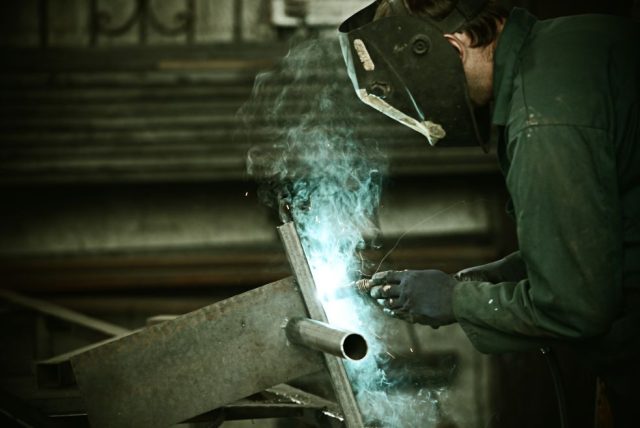
If you’re looking for a hands-on career with opportunities to grow, training to become a professional welder by attending welding school can be an excellent first step. Skilled welders play an important role in building and maintaining the infrastructure we rely on every day, from bridges and commercial buildings to pipelines, vehicles, and industrial equipment. With the right education, you can develop the technical knowledge and practical experience employers value while preparing for a rewarding career in the skilled trades.
A quality welding training program covers a broad range of topics and skills. Students learn industry-standard welding processes, including MIG, TIG, stick, and flux-cored welding, while also developing skills in blueprint reading, metal fabrication, measuring, cutting, and workplace safety.
Hands-on practice in a low-pressure setting is one of the biggest advantages of attending welding school. You won’t need to worry about learning through trial and error on a job site. Instead, you’ll work under the guidance of experienced instructors who can help you improve your technique and build confidence. This practical experience helps prepare you for real-world welding projects and employer expectations.
Although some people learn through apprenticeships or entry-level positions, formal welding training provides a structured path into the profession. You’ll build a strong foundation in both technical skills and safe work practices before stepping onto a job site. From discovering new welding technology to learning welding practices that have stood the test of time, you’ll learn from experienced tutors with years of experience.
Employers often value graduates of welding school because they understand industry standards and require less introductory training. Completing a program also demonstrates your commitment to the trade, which can make you a stronger candidate when applying for entry-level positions.
Welding skills are needed in a wide range of industries, including manufacturing, construction, automotive, aerospace, shipbuilding, energy, and heavy equipment repair. This variety allows many welders to choose a career path that matches their interests, whether they prefer working indoors in a fabrication shop or outdoors on large construction projects.
As you gain experience, you may have opportunities to specialize in certain welding techniques or move into supervisory or fabrication roles. For many people, welding offers a stable career with opportunities for continued professional growth.
Technology continues to shape the skilled trades, but the need for trained welders remains strong. From repairing essential infrastructure to helping manufacture new products, welders perform work that requires precision and attention to detail. If you enjoy solving problems and creating something tangible at the end of each day, welding could be an excellent career choice.
At the Institute of Medical and Business Careers (IMBC), our welding technology program combines classroom instruction with extensive hands-on learning to help prepare students for today’s workforce. You’ll develop practical welding skills, learn from experienced instructors, and gain the confidence needed to pursue opportunities in this in-demand trade.
If you’re ready to invest in your future, enroll in the IMBC Welding Technology program and take the first step toward a rewarding career in welding.
What do you learn in welding school?
Welding school teaches industry-standard techniques like MIG, TIG, stick, and flux-cored welding, along with blueprint reading, metal fabrication, measuring, cutting, and workplace safety.
Why is welding school better than learning only on the job?
Formal training provides structured, hands-on instruction, builds technical skills and safe work practices, and helps graduates meet employer expectations more quickly.
What career opportunities are available for welders?
Skilled welders can work in industries such as manufacturing, construction, automotive, aerospace, shipbuilding, energy, and heavy equipment repair, with opportunities to specialize and advance.