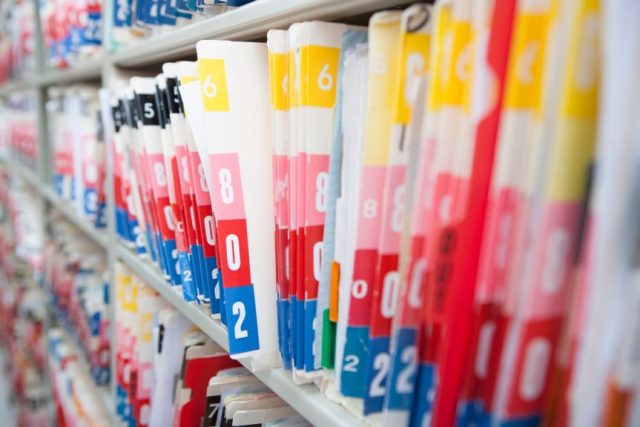
Patient outcomes depend not only on the quality of care delivered, but also on the parts of the system that work behind the scenes, such as the management of detailed, up-to-date records. Providers must understand every patient’s background, medical needs, current health, and insurance to deliver safe and effective care. The meticulous maintenance of medical records requires knowledgeable technicians and secure data storage to enable open communication among providers while keeping sensitive patient personal and medical information private.
When healthcare providers are trying to diagnose and treat illnesses, there’s no such thing as too much information. On the other hand, patient records that are incomplete or inaccurate could lead to mistakes in care that can have the most serious consequences.
This means that the work done by medical records technicians is of the utmost importance in ensuring the best possible outcomes for patients, even though this work often isn’t recognized.
Records should consist of:
Complete and detailed records make it easier for primary care physicians, specialists, and other providers to share patient information to coordinate care.
Medical records play a vital role in patient safety and in minimizing medical errors. They tell the patient’s story, allowing new providers to familiarize themselves with past care and responses to various treatments to inform their personalized treatment plans and make the transition from one provider to another seamless. Multiple providers can also ensure safe coordination of care by getting a full picture of the patient’s medical history.
Medical records technicians are responsible for managing and organizing patient records. They may work in hospitals, doctors’ offices, clinics, or insurance companies. Some key job duties include:
These important tasks make sure that healthcare functions smoothly so patients get the care they need.
Medical records technicians must receive the proper training to build their knowledge of medical terminology, billing and coding, and software systems. They need good communication and interpersonal skills to work with patients, providers, and other support staff, along with the ability to problem-solve and stay detail-oriented to spot errors.
The right person must be prepared to advocate for patients and act as a liaison between them and healthcare providers and insurance companies. They must work closely with medical providers and other professionals to provide necessary patient data on demand to streamline the care process. A good candidate is also comfortable learning and implementing cutting-edge technology and software solutions that improve workflow and benefit patient outcomes.
Are you interested in making a real difference with a healthcare career? Enroll in the IMBC medical records technician program to train for a rewarding role with strong job security and earning potential.
Why are medical records important in healthcare?
Medical records help healthcare providers deliver safe, coordinated, and effective care by maintaining accurate information about a patient’s medical history, treatments, medications, and test results.
What does a medical records technician do?
Medical records technicians organize and update patient records, assign medical codes, protect patient privacy, ensure HIPAA compliance, and facilitate secure information sharing between healthcare providers.
What skills are needed to become a medical records technician?
Successful technicians need knowledge of medical terminology, billing and coding, healthcare software, strong attention to detail, communication skills, and an understanding of patient confidentiality.