
Heather MacKinnon
“I love IMBC because the instructors and administration are always willing to reach out to students to help us succeed. Small classes, great communication,…
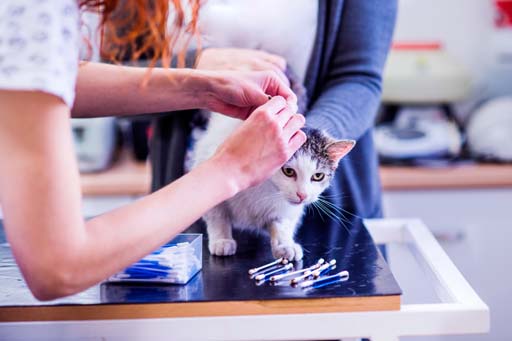
Starting a veterinary technician career means entering a fast-growing profession in which competent professionals can significantly impact the healthcare of animals. Vet techs are essential in helping veterinarians keep animals happy and healthy, whether it’s during regular check-ups or more complex procedures. With numerous job opportunities and specializations available, becoming a vet tech is a great pathway to personal development and professional growth.
While many veterinary technicians are generalists, some choose to specialize by pursuing professional certifications that prove their competency in a particular area of veterinary care. The National Association of Veterinary Technicians in America (NAVTA) issues specialty credentials in areas including:
Getting a specialty credential enables vet techs opens up more job opportunities with potentially higher compensation.
Vet techs practice in a wide variety of environments, such as animal shelters, zoos, research laboratories, and animal hospitals (including private veterinary clinics). As they gain experience, some vet techs may choose to shift into other roles.
Becoming a vet tech takes formal education and credentialing. The coursework in a vet tech program anatomy, physiology, pharmacology, and clinical procedures.
Upon graduation, students have to take the Veterinary Technician National Examination (VTNE) to be licensed or registered according to the requirements of the states or regions. The continuing education keeps vet techs abreast of changing veterinary practices.
IMBC has a holistic Veterinary Technician program that equips the students with practical training, clinical practice, and examination training to enable them to excel in this fulfilling career.
“I love IMBC because the instructors and administration are always willing to reach out to students to help us succeed. Small classes, great communication, hands-on learning, and trips to the ANNA shelter are a huge boost to our education.” – Heather MacKinnon
Becoming a veterinary technician is a great choice for anyone who loves animals. Through training, licensure, and possible specialty certifications, veterinary technologists can create rewarding careers.
Enroll in the IMBC veterinary technician training program and in just 1.5 years, you’ll acquire the knowledge, abilities, and applied expertise necessary to succeed in this exciting and challenging career.
What career paths are available for Veterinary Technicians?
Vet techs can work in animal hospitals, private veterinary clinics, shelters, zoos, and research laboratories, with opportunities to move into specialized roles as they gain experience.
What areas can Veterinary Technicians specialize in?
Specializations include surgery, anesthesiology, clinical pathology, animal behavior, dental and oral health, species-specific medicine, radiology, nutrition, and emergency care.
How do you become a Veterinary Technician?
The career requires formal education covering areas such as anatomy, physiology, pharmacology, and clinical procedures, followed by the VTNE and any licensing or registration required by the state.